Spending the year with new(ish) books by friends, locals, and other Canadian poets old and new. Follow along daily on Instagram.
This week’s micro-review will only truly make sense once you have a copy of the book at hand. So you can either stop reading right here and go out and grab yourself one, or you can read on trusting that what I have to say will make sense at some point. Hopefully the daily posts I’ve made throughout the past week convinced you to buy a copy as soon as you could. But just in case they haven’t, allow me to offer you one more take on why you should.
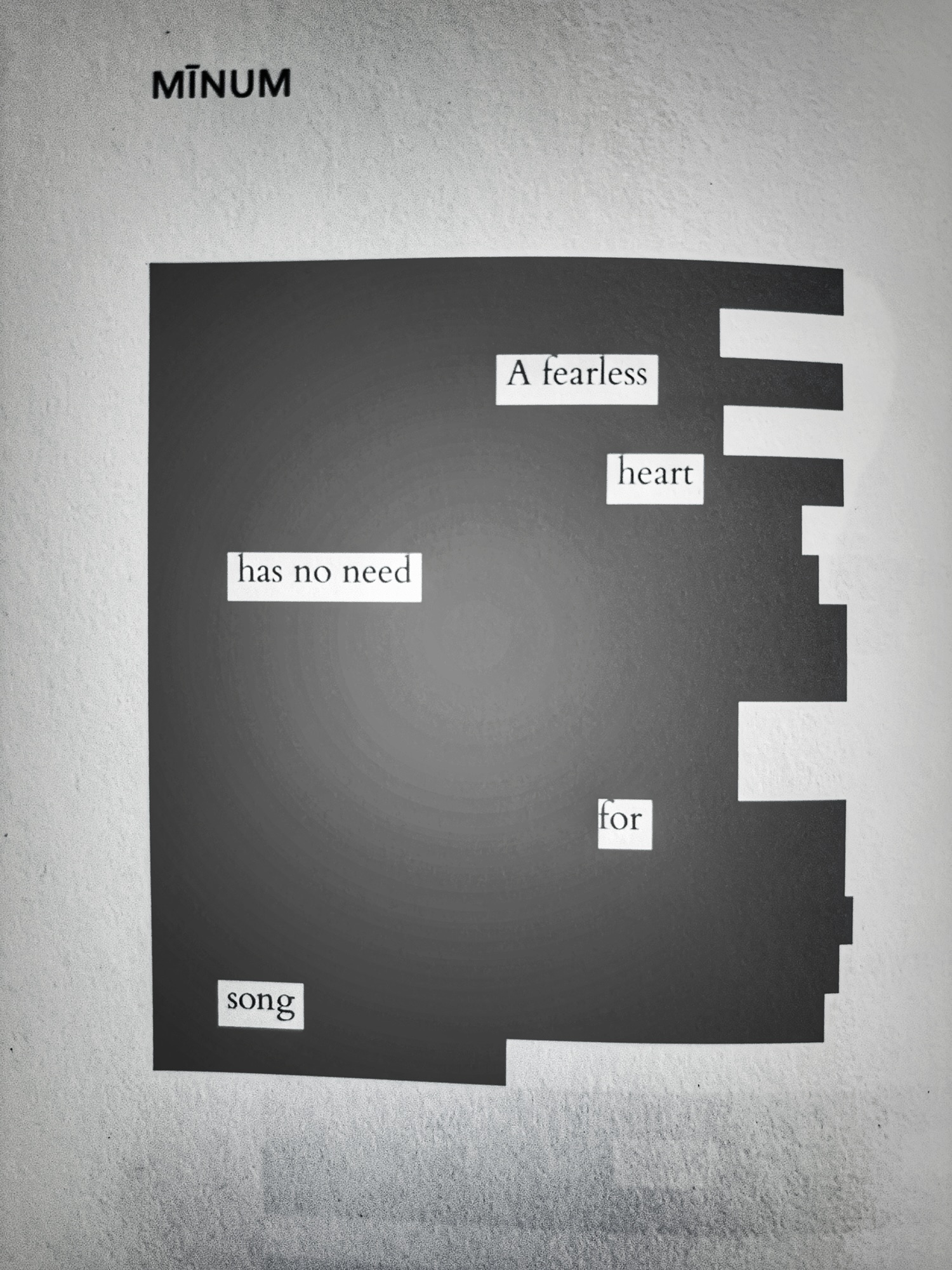
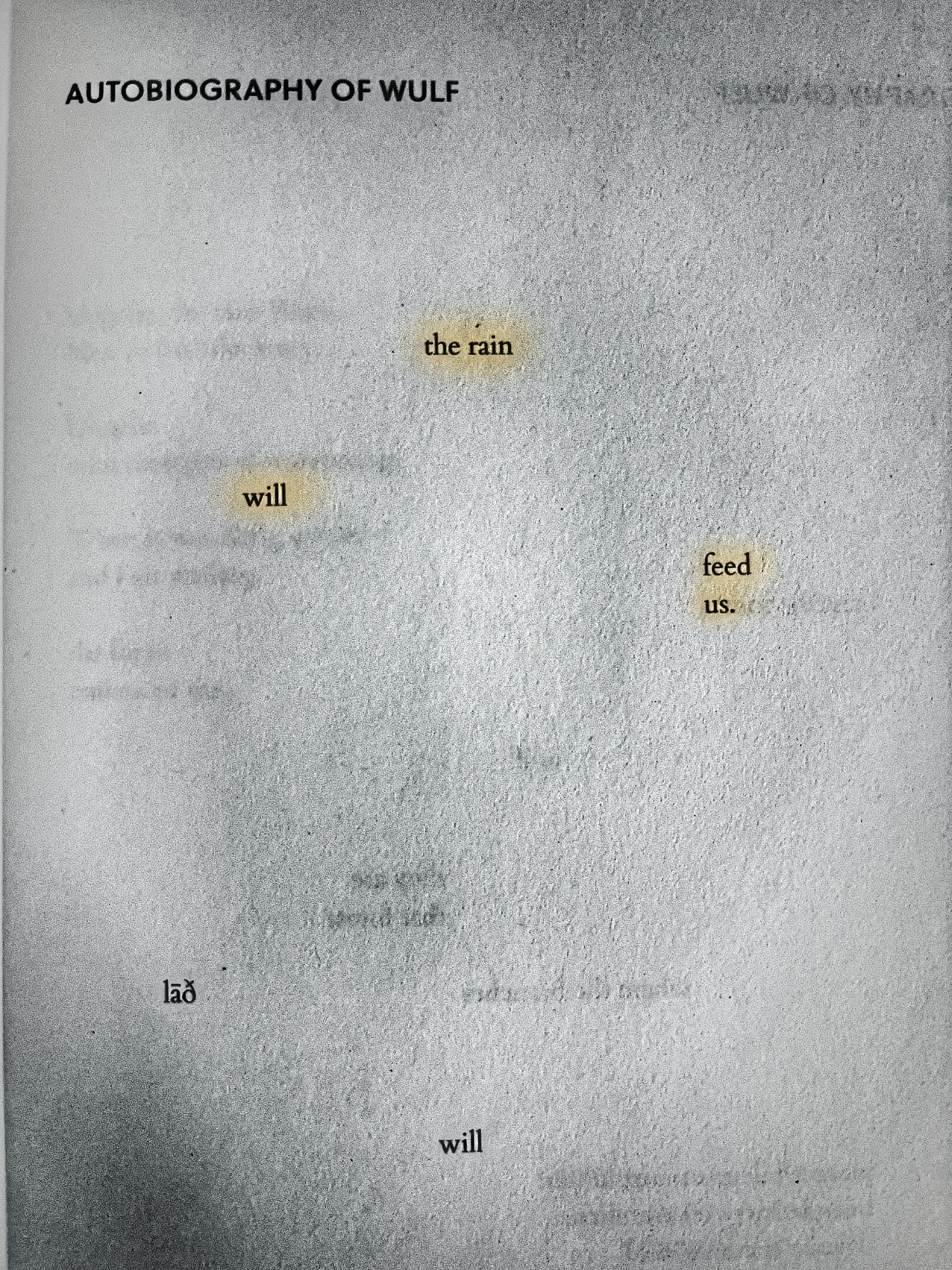
There is a section of the book near the front, called ‘& [Erased]’, from which I did not share during the daily reading. I didn’t share because it has to be read as a whole, in sequence, to get the full impact and enjoyment. The section starts with a straight-ahead translation of the original 19 lines. M.L. then erases most of the poem leaving a couple of dozen words spread over the page.
Over the next three poems, more letters are removed from these remaining words, starting with (most of) the vowels e and i. What we’re left with then is 36 letters and one apostrophe spread over the page. The next poem condenses those letters into one line and then the rebuilding, the refracting, starts. There follows seven poems, all titled ‘&[],’ in which M.L. plays with different spacing between and ways to read the clusters of consonants. “ffrtv’tht” becomes “funny or two / of them” then “forty-five / that…” then “effort of that” and so on through a sequence of fractal poems with surprising and delightful turns of phrase, juxtapositions and pure phoneme fun. In the middle of the sequence is one full poem, titled ‘&[As If One]’ that is seemingly out of place but does a nice job of providing a pause to breathe. I am still trying to figure this one out to be honest. If you’ve got any thoughts on how it fits, I’d love to hear it.
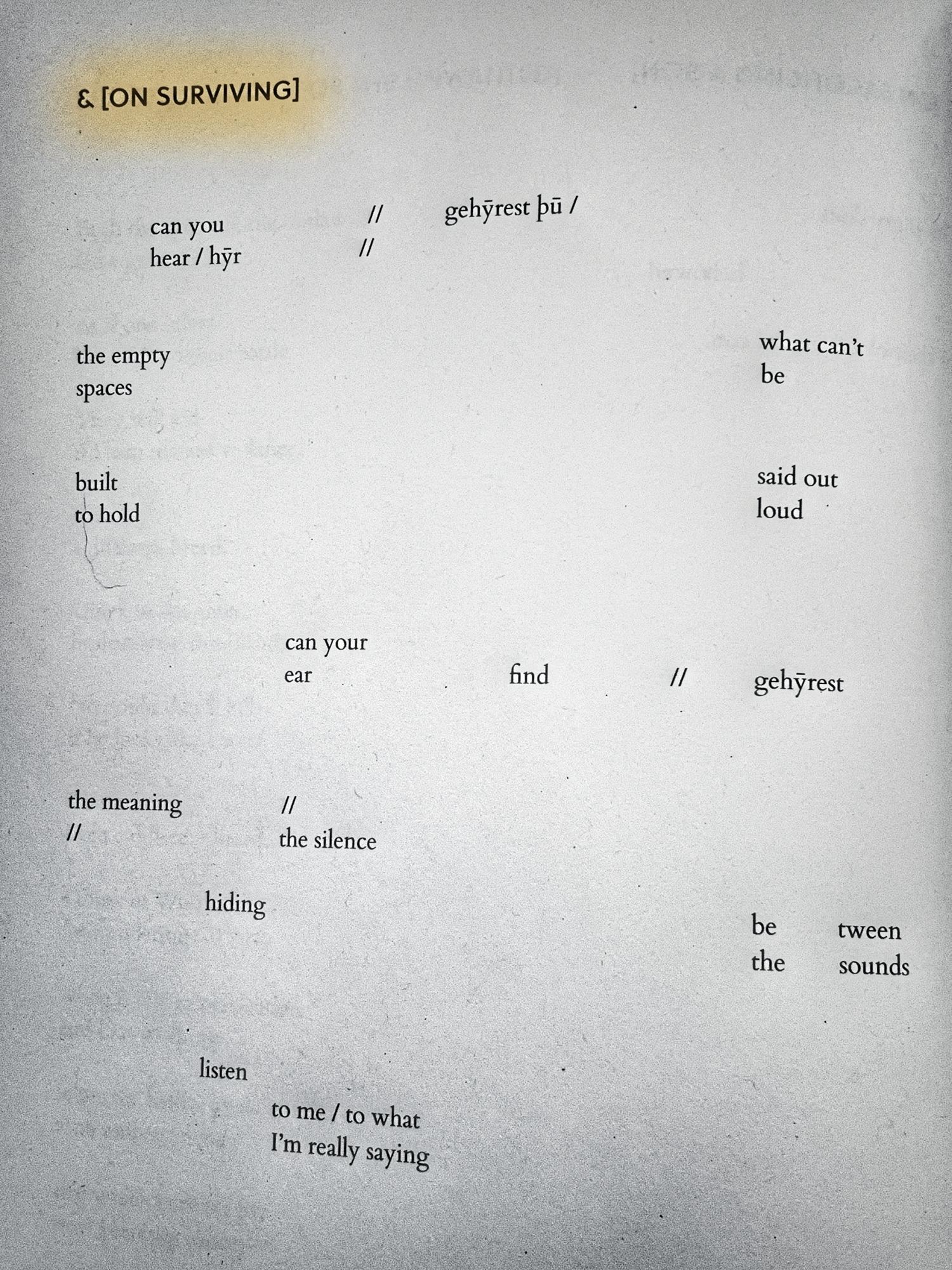
This is an exploration of the heart of translation. How many different ways the same marks on a page can be nuanced, nudged, read from slightly different angles, split into multiple different meanings. Translation acting as a prism, revealing all the meanings that make up the light through which we see the world.
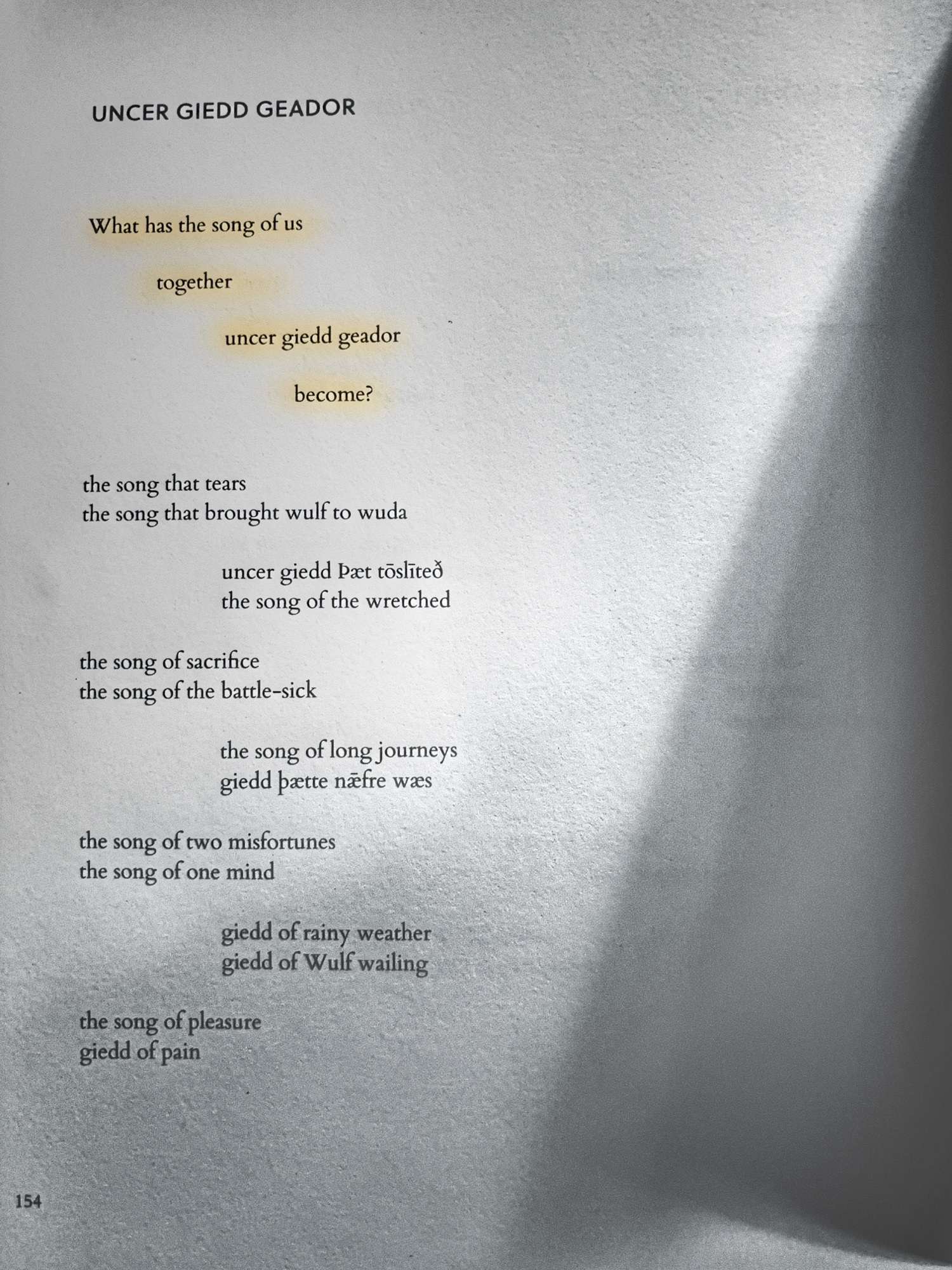
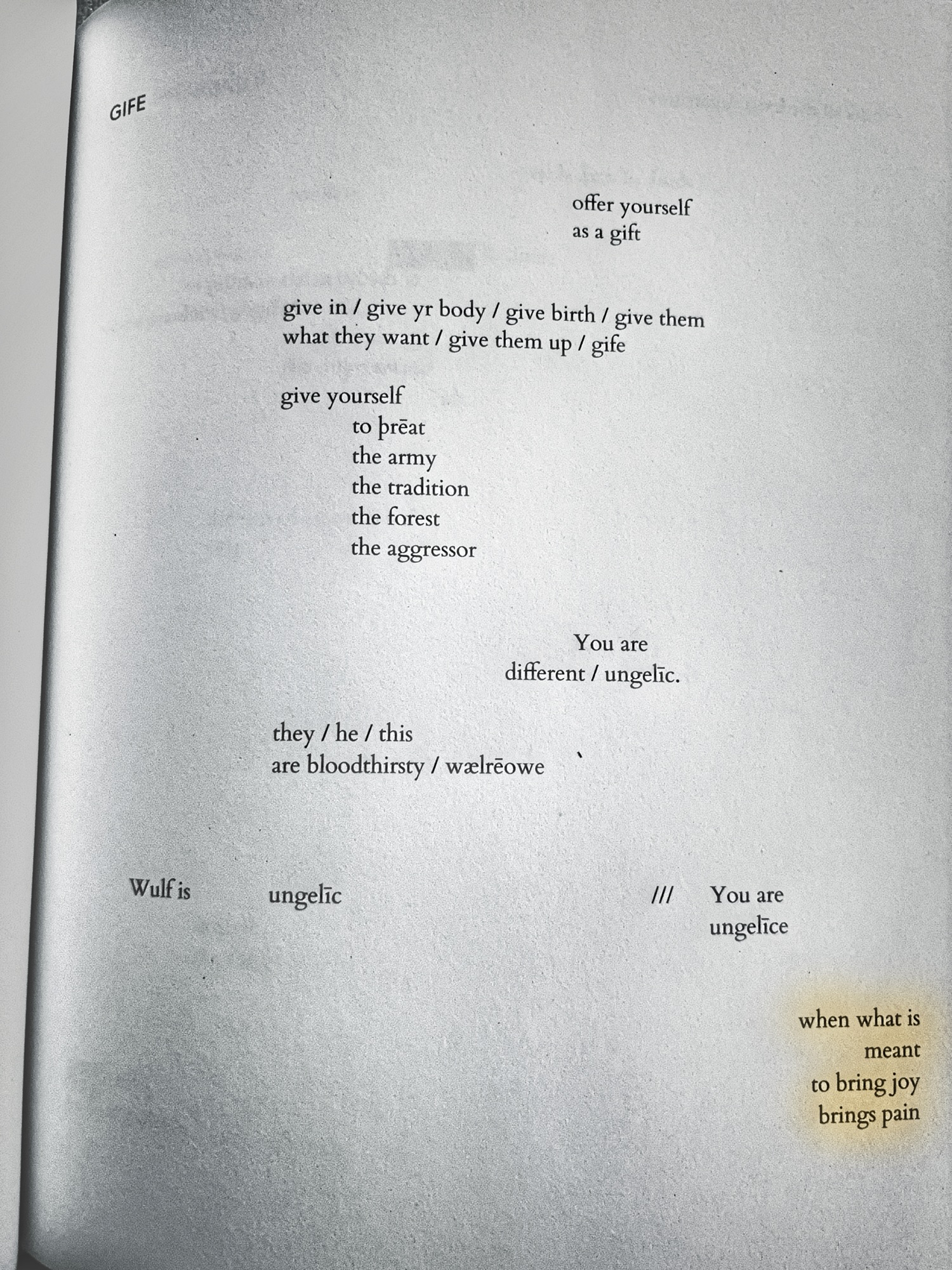
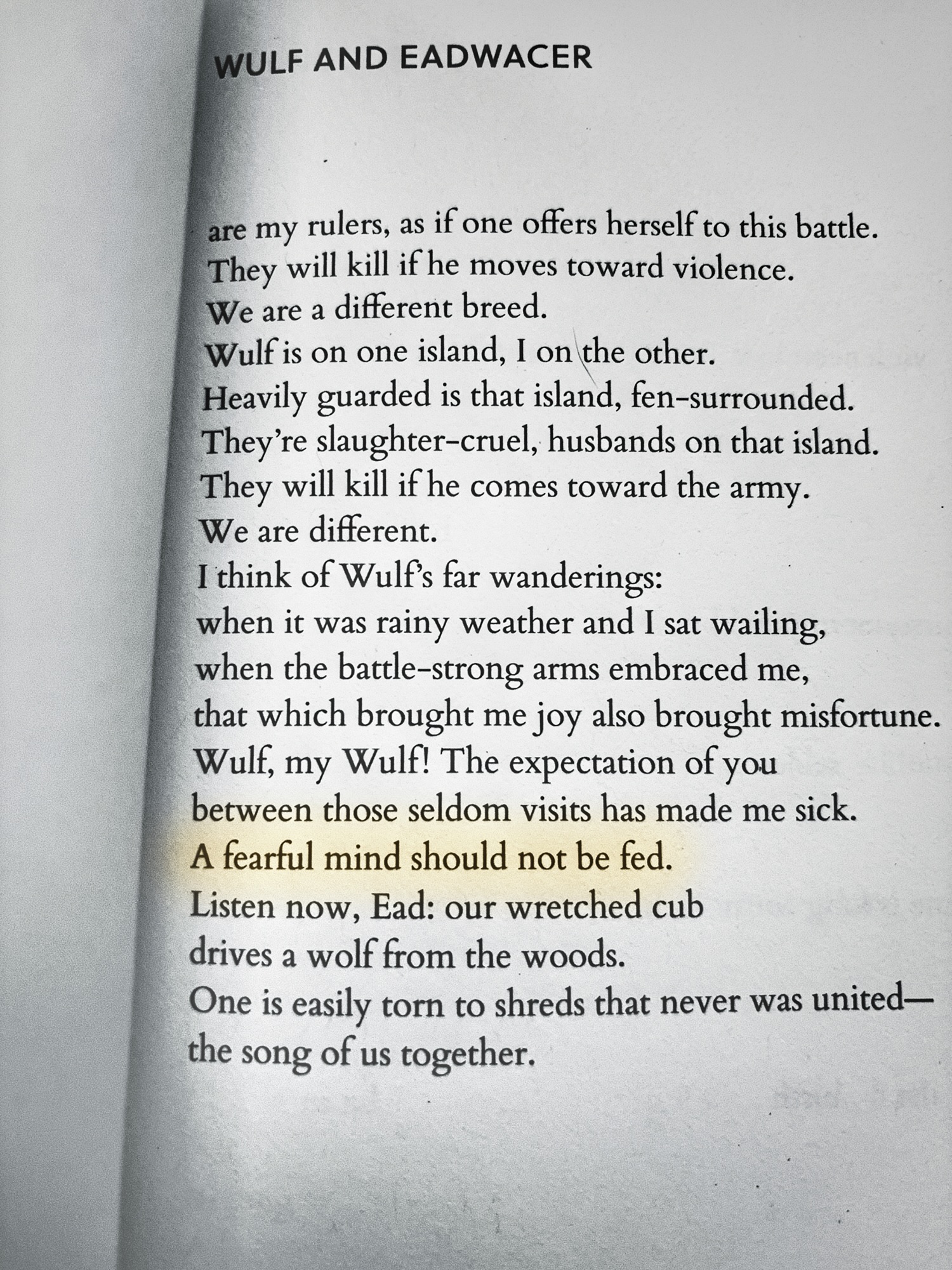
So in addition to the poems I’ve highlighted this past week (and below) this is what has been driving my creativity: translation. How 19 lines can become an entire book. How an entire book can become the song of us, different, together.


Leave a Reply