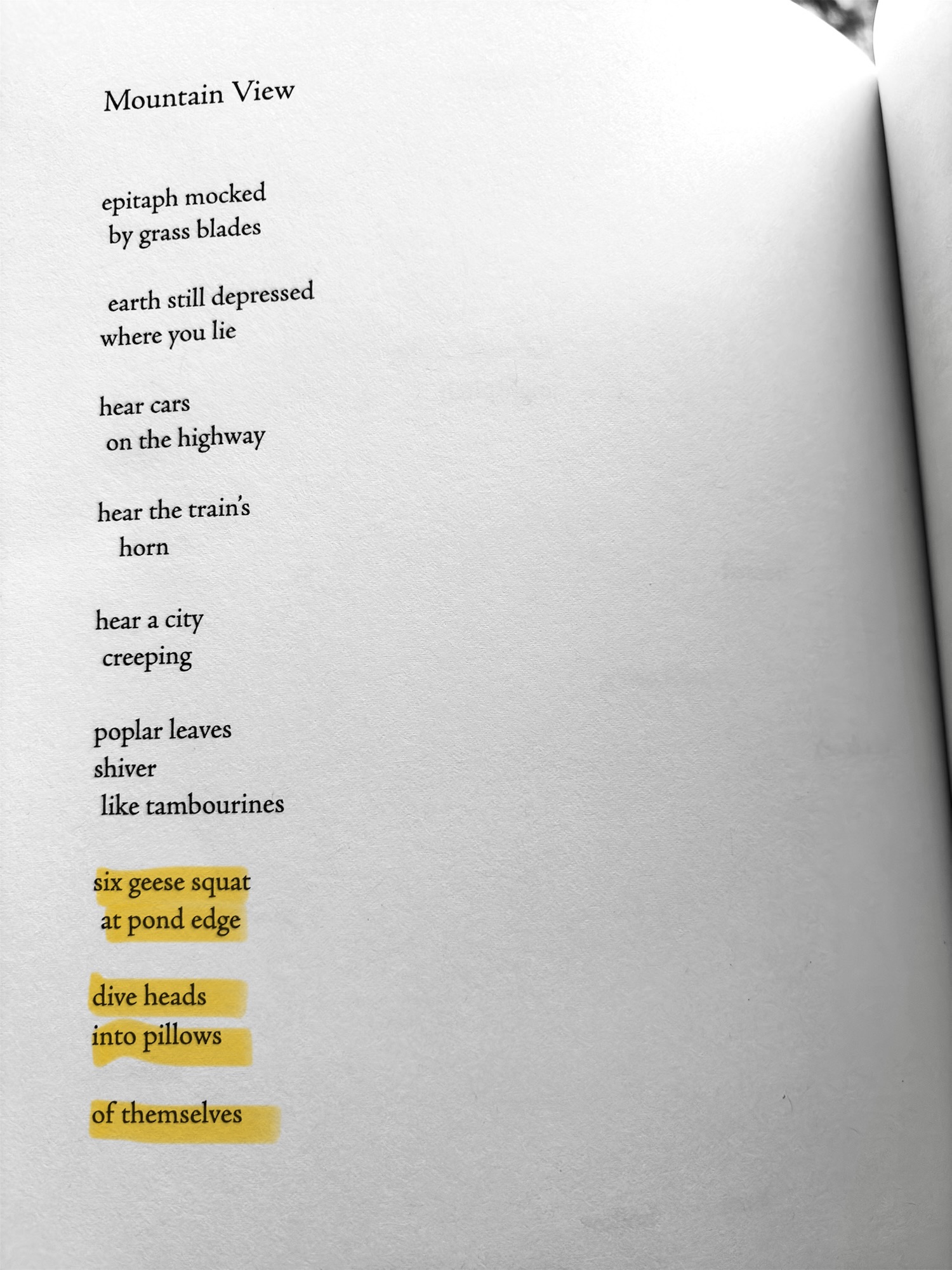
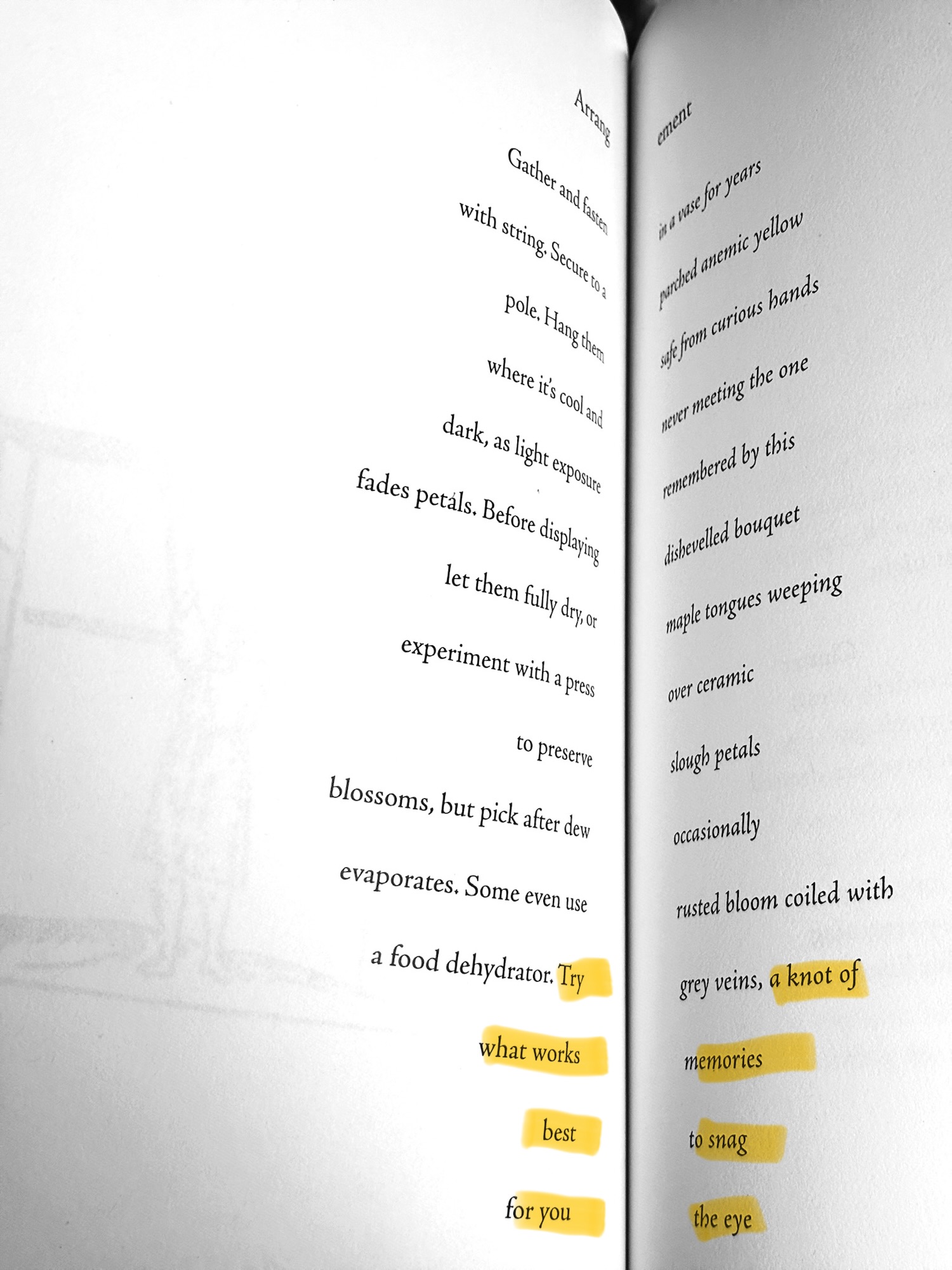
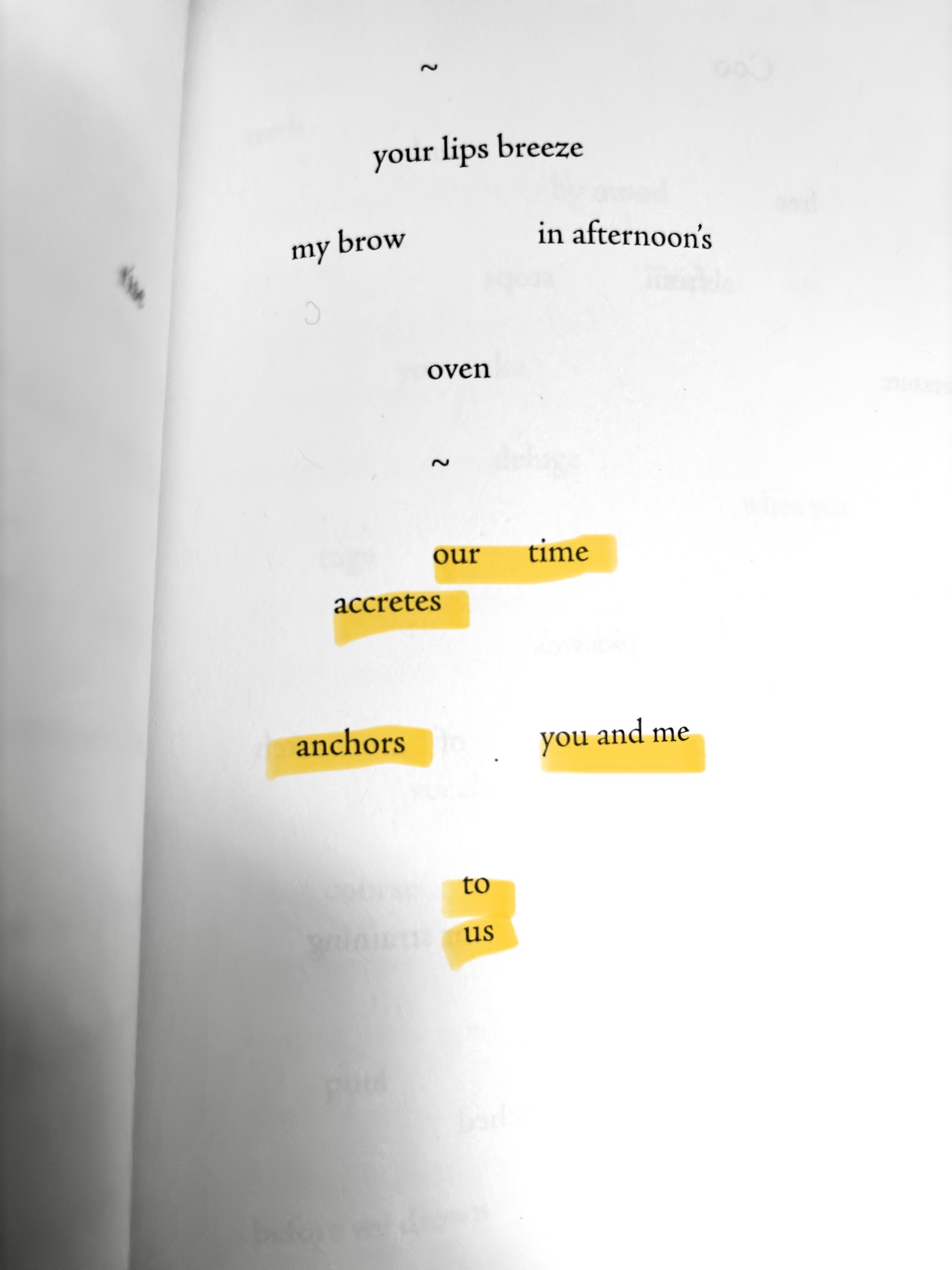
Spending the year with new(ish) books by friends, locals, and other Canadian poets old and new. Follow along daily on Instagram.
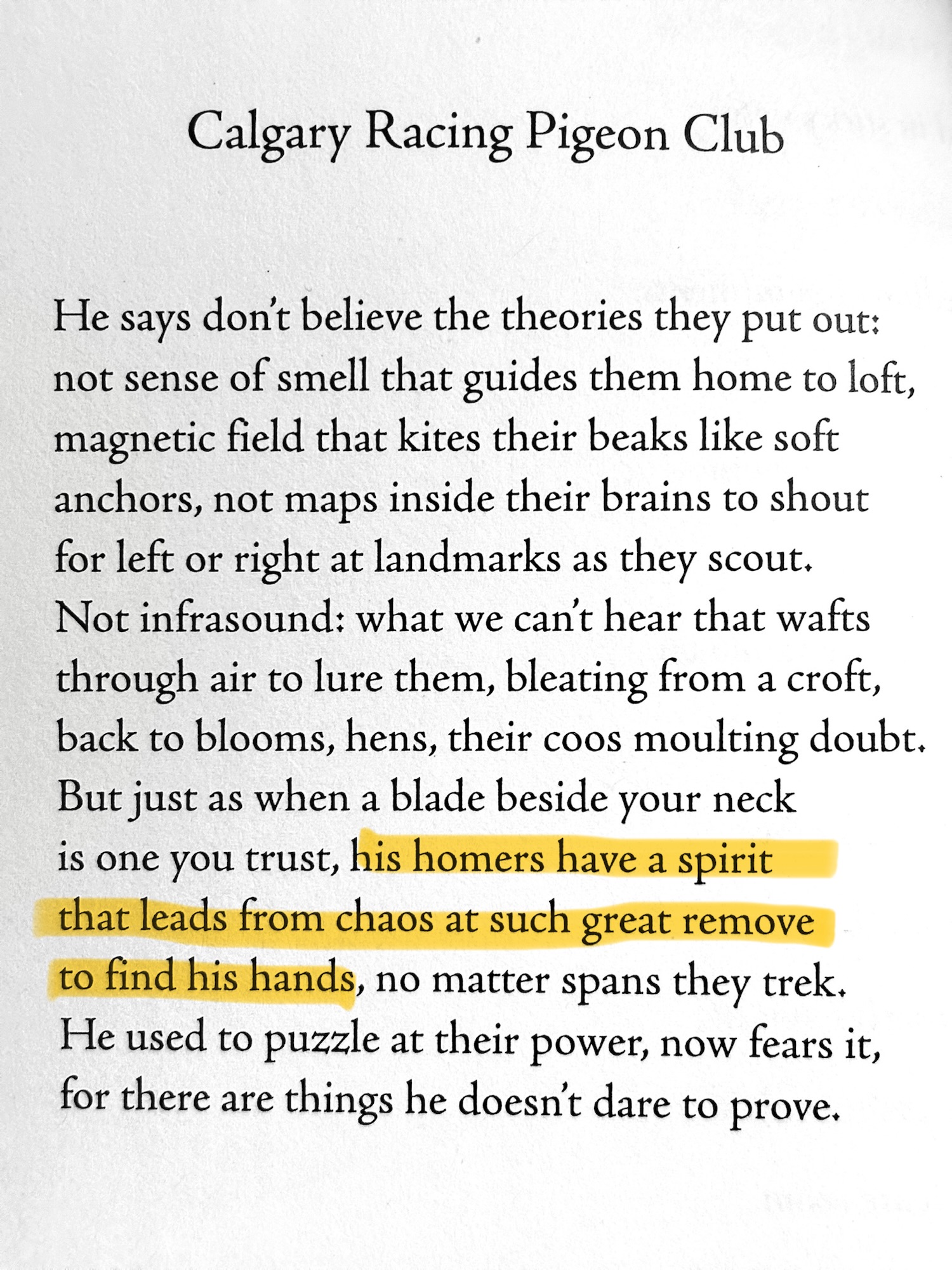
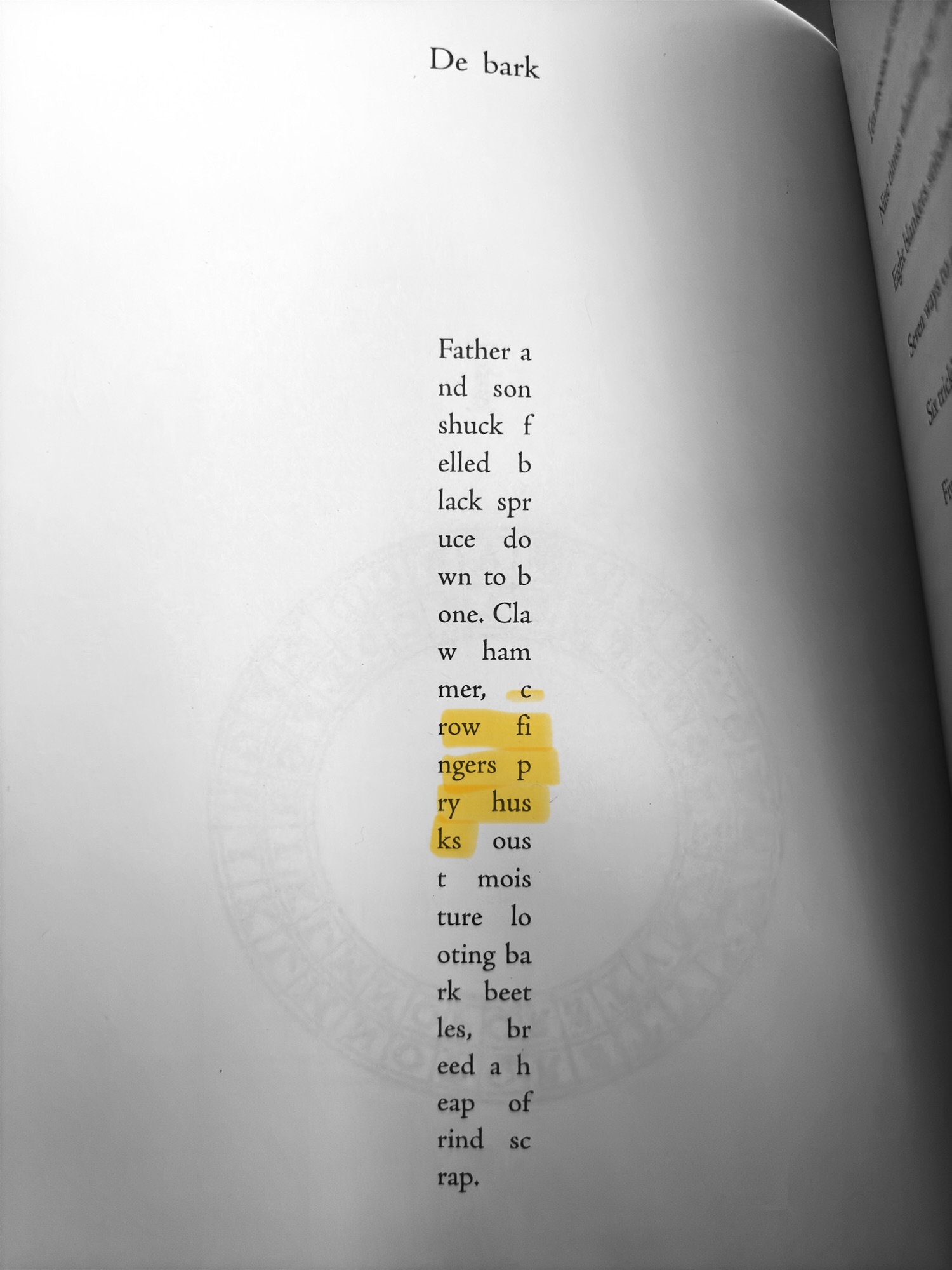
I have a confession to make regarding this week’s book. I went in to it completely blind. I had not read any reviews. I had not talked to anyone who had read it. I did not even read the blurbs or publisher’s sales pitch on the back cover. I was unaware that this book was an elegy to David’s younger brother who died by suicide when he was 23. I bought the book because I enjoyed David’s previous books. I had the pleasure of hearing him read when he launched “Tar Swans” a few year ago so I knew his latest was going to be good.
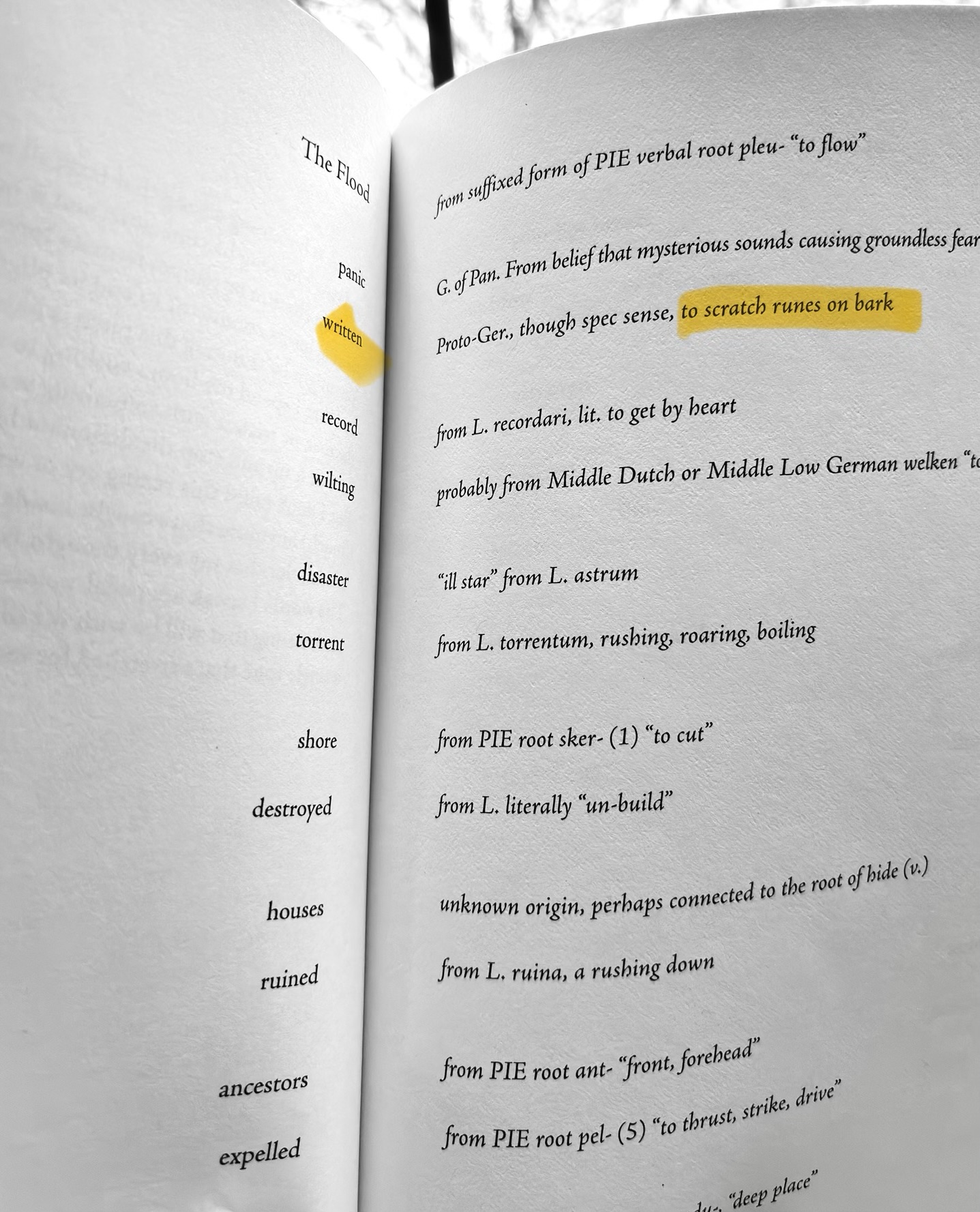
While the first few poems don’t address the topic directly, they do build a sense of unease almost from the first line. And now time for a second confession: I didn’t read the footnoted text that starts with the first poem and runs through more than two-thirds of the entire book. I am a huge fan of footnoting as a stylistic tool. I used it extensively in my book “Lunatic Engine.” I saw there were footnotes here and I ignored them, wanting to get my bearings with the main text before going back. If I had though, I think the impact of the realization for me might have been diminished.
That realization came in the sixth poem, ‘Partial Concordance to a Missing Poem’ and the bottom fell out of my stomach and kept falling until it hit the pair of lines just over half way down the page:
(My mother found the note in his room,)
(My mother found the note in his room,)
The thing I want to draw your attention to in this micro-review is the book’s fulcrum. At almost precisely the half-way point sits a long poem called ‘Here, After’ which starts with the line “Some on had to go, so I went there,” which goes on to describe and explore the process of going to his late brother’s apartment to get him a suit in which to be buried. I did not excerpt anything from this poem over the week of slow reading out of respect and because I don’t think any parts of it should be separated from the whole. This poem is the most narrative one in the book and is really the only one that looks and speaks directly about it, the poems before and after rising and falling, rising and falling over the steady ground of memory walked in the footnotes
This is what has been driving my creativity this week; remembering those in my life, and there are many, who have been touched by suicide.


 Paul Pearson
Leave a comment